The Best Time to Visit Bwindi for Photography
The Best Time to Visit Bwindi for Photography
The Best Time to Visit Bwindi for Photography
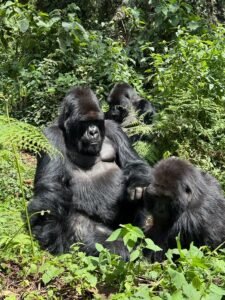
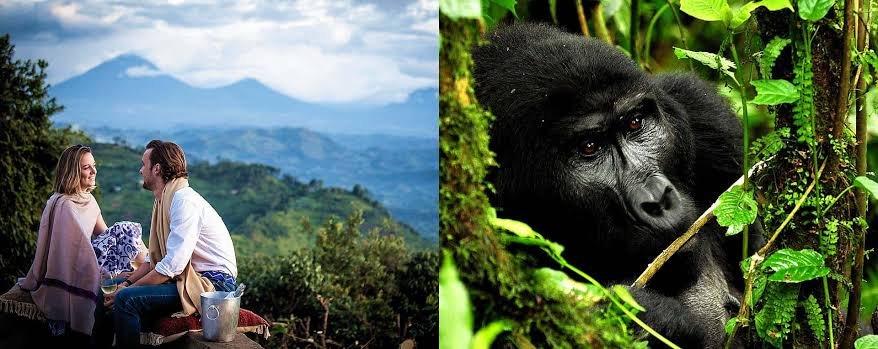
Bwindi Impenetrable National Park is a dream destination for wildlife photographers. The dense rainforest, the misty valleys, and the chance to photograph mountain gorillas in their natural home make it one of the most rewarding places on Earth for a camera. But timing matters. The season you choose affects the light, the trails, the vegetation, and the overall photography experience. This guide will help you plan your Bwindi photography safari at the right time.
Understanding Bwindi’s Seasons
Bwindi has a tropical rainforest climate with two dry seasons and two wet seasons. The dry seasons run from June to August and December to February . The wet seasons run from March to May and September to November . Each season offers something different for photographers. Your choice depends on whether you want easier trekking conditions, dramatic misty atmosphere, or vibrant green forest scenes.
The Dry Seasons: June to August and December to February
The dry seasons are widely considered the best time for gorilla photography in Bwindi . Here is why.
Better Trail Conditions
During the dry months, the forest trails are firmer and less slippery. This makes the trek easier, especially when you are carrying heavy camera gear . You can move more confidently and focus on your photography instead of watching your step.
Clearer Light and Better Visibility
The dry season brings clearer skies and better lighting conditions. The sun filters through the trees more predictably, giving you better opportunities to capture sharp, well-lit images of the gorillas . Vegetation is also thinner during these months, making it easier to get clear shots .
Gorilla Behavior
Gorillas tend to stay on mid-slopes during the dry season, which can shorten trekking times. This gives you more time with the gorillas once you find them .
The longer dry season from June to August is the most popular time to visit. The shorter dry season from December to February is cooler, with misty mornings that can create beautiful photographic conditions .
Note: These months are busy. Gorilla permits and lodges sell out quickly, so you must book early .
The Wet Seasons: March to May and September to November
Many photographers overlook the wet seasons, but they offer unique advantages.
Dramatic Atmosphere
The wet season transforms Bwindi into a lush, vibrant, and misty wonderland. The forest becomes greener, moss and ferns flourish, and mist drifts through the trees. This creates a dramatic, cinematic atmosphere that many wildlife photographers actively seek .
Softer Light
The wet season provides softer, more diffused light. This is ideal for capturing the rich textures of the forest and the expressive faces of the gorillas without harsh shadows .
Fewer Crowds and Better Permit Availability
The wet months are quieter. You will encounter fewer tourists on the trails, giving you a more private and intimate experience. Gorilla permits are also easier to secure during these months .
Gorilla Behavior
During the rainy season, gorillas often stay at lower altitudes where food is abundant. This can sometimes shorten your trekking distance .
The main challenge is that trails can be slippery and muddy. You will need waterproof gear for yourself and your camera .
Month-by-Month Photography Guide
Here is a quick breakdown of what each month offers for photographers.
| Month | Photography Conditions | Crowds | Permit Availability |
|---|---|---|---|
| January | Excellent | High | Moderate |
| February | Excellent | Moderate | Moderate |
| March | Very Good | Low | Good |
| April | Excellent | Very Low | Excellent |
| May | Excellent | Very Low | Excellent |
| June | Very Good | High | Limited |
| July | Very Good | Very High | Limited |
| August | Good | Very High | Limited |
| September | Excellent | Moderate | Good |
| October | Excellent | Low | Excellent |
| November | Excellent | Low | Excellent |
| December | Very Good | High | Limited |
January and February offer excellent photography with clear light and manageable trails. March, April, and May bring lush green forest, misty mornings, and very few crowds. June, July, and August are peak season with good conditions but many visitors. September, October, and November are excellent for photography with dramatic atmosphere and low crowds. December offers good conditions but is busy.
Practical Photography Tips for Bwindi
Camera Gear
You will be hiking through dense rainforest, so pack light. Here are the most useful lenses for gorilla photography.
- 70-200mm f/2.8 lens: This is the best all-around lens for gorilla safaris. The wide aperture is critical in the low-light forest environment .
- 24-70mm f/2.8 lens: Perfect for when gorillas come very close to you .
- 100-400mm lens: Useful for birds and distant wildlife, but less practical in the thick forest .
Camera Settings
- Shutter speed: Use 1/250 to 1/500 to freeze gorilla movement .
- Aperture: Use a wide aperture (f/2.8 or f/4) to let in more light.
- ISO: Do not be afraid to raise your ISO. The forest canopy blocks up to 80% of light, even at midday .
- Focus: Tap the gorilla’s eye for focus. If the eye is sharp, the photo works .
Important Rules
- No flash: Flash photography is strictly forbidden. It can scare or agitate the gorillas .
- Keep your distance: You must stay at least 7 meters (about 23 feet) from the gorillas. You cannot move closer, even if they approach you .
- You have 60 minutes: Once you find the gorillas, you have only one hour with them. Make every second count .
Protect Your Gear
The rainforest is humid and wet. Keep your camera in a waterproof bag. Bring microfiber cloths to wipe your lens if it fogs up .
What to Wear
Wear long trousers and long-sleeved shirts to protect against stinging nettles. Good waterproof hiking boots with ankle support are essential. Bring a rain jacket and a hat .
Beyond Gorillas: Other Photography Opportunities
Bwindi is not only about gorillas. The park is home to over 350 bird species, including the African green broadbill and the great blue turaco . The wet seasons (March to May and September to November) are particularly good for bird photography because the light is soft and the vegetation is lush . You can also photograph other primates, including chimpanzees and colobus monkeys, as well as the stunning landscapes of the Bwindi forest and nearby volcanic peaks .
Getting to Bwindi: 4×4 Safari Car Rental
Bwindi is located in southwestern Uganda. The roads can be rough, especially during the wet season. A reliable 4×4 safari vehicle is essential for a comfortable and safe journey.
A Toyota Land Cruiser is the best choice. It has high ground clearance and a heavy-duty 4×4 system that handles the steep and muddy roads to Bwindi easily . A pop-up roof Land Cruiser is especially good for photography, as it allows you to stand and shoot from an elevated position .
We can arrange a 4×4 safari car rental with a driver-guide for your entire Uganda safari.
Start Planning Your Dream Uganda Safari Today
The best time to visit Bwindi for photography depends on what you want. If you want easier trails and clear light, come during the dry season. If you want dramatic mist, lush green forest, and fewer crowds, come during the wet season. Either way, you will come home with incredible images of mountain gorillas and the magical Bwindi rainforest. Start planning your dream Uganda safari today and experience the magic of meeting mountain gorillas, exploring beautiful national parks, and discovering the incredible wildlife of Uganda.
Send us an email atinfo@bwindigorillatrekkinguganda.com or WhatsApp us now at +256-795532925 to book your Uganda gorilla trekking safari, wildlife adventure, or 4×4 safari car rental. Our team is ready to help you plan an unforgettable journey in Uganda.