What To Pack For Gorilla Trekking In Bwindi
What To Pack For Gorilla Trekking In Bwindi
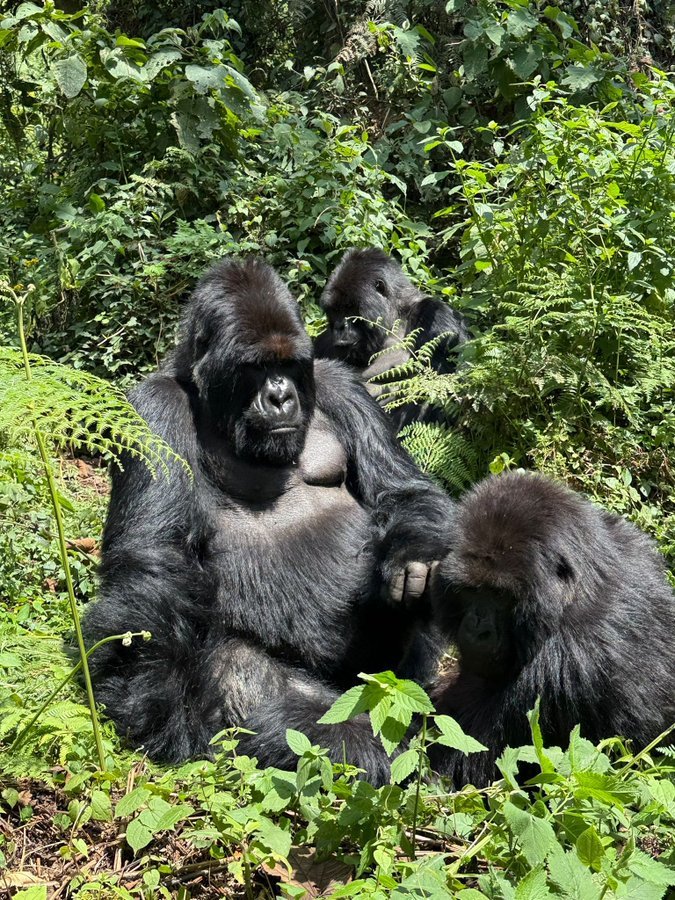
What to Pack for Gorilla Trekking in Bwindi
Gorilla trekking in Bwindi Impenetrable National Park is a life-changing experience. You will hike through a dense, ancient rainforest to meet a family of mountain gorillas in their natural home. But the forest is wet, muddy, and steep. The right gear makes the difference between a tough day and a truly magical one. This guide tells you exactly what to pack for gorilla trekking in Bwindi. It is written in simple English so every traveler can prepare with confidence.
Why the Right Gear Matters in Bwindi
Bwindi is a rainforest at high altitude. It rains on about 200 days a year. The trails are often slippery, covered in roots and mud. The forest is full of stinging nettles, thorns, and biting ants. You will be hiking for two to six hours, sometimes at a steep angle. The right clothing and equipment protect your skin, keep you dry, and help you move safely. The wrong gear can lead to blisters, scratches, and an uncomfortable trek.
Clothing: What to Wear on Your Trek
Dress in layers. The morning can be cold and misty, but the forest can become warm and humid as you walk.
Long-Sleeved Shirts (2 or More)
Wear long-sleeved shirts to protect your arms from scratches, nettles, and insects. Choose quick-drying fabrics, not cotton. Cotton stays wet and heavy. Pick neutral colors like khaki, olive, or brown. Avoid bright colors like white, red, or orange. Bright colors can upset the gorillas, and white shows mud instantly.
Long Trousers (Not Shorts)
Long trousers are mandatory. The undergrowth will cut your legs if you wear shorts. Choose lightweight, water-resistant hiking trousers. Tuck your trousers into your socks or boots. This keeps out safari ants and other insects.
Warm Layer (Fleece or Softshell Jacket)
Mornings in Bwindi are cold because of the altitude. Bring a fleece or softshell jacket to wear over your shirt at the start of the trek.
Waterproof Rain Jacket or Poncho
Rain can come at any time. A lightweight waterproof jacket is essential. A poncho is also a good choice because it covers both you and your daypack. Rain gear is not optional in Bwindi.
Footwear: The Most Important Items
Your feet do the hardest work on the trek. Take care of them.
Waterproof Hiking Boots
This is the number one item on the list. You need mid- to high-ankle waterproof hiking boots with strong grip. The trails in Bwindi are muddy, rooty, and steep. Good ankle support prevents twisted ankles. Do not wear new boots. Break them in at least three weeks before your trip. Salomon and Merrell are popular brands among park rangers.
Thick Hiking Socks (2-3 Pairs)
Bring thick wool or synthetic hiking socks. Wet feet cause blisters. Pack at least three pairs so you can change if your feet get wet.
Gaiters (Highly Recommended)
Gaiters are fabric covers that go over your boots and lower legs. They stop mud, water, stones, and ants from getting into your boots. Many guides say gaiters save your whole trek. They are especially important in the wet seasons from March to May and October to November.
Gardening Gloves
Bring a pair of cheap gardening gloves. They protect your hands from stinging nettles and thorns when you grab vines or branches on steep sections. This is a small item that makes a big difference.
Gear and Accessories for Your Daypack
You will carry a small backpack during the trek. A porter can carry it for you for about $15 to $20, and this supports the local community.
Daypack (20-30 Liters)
A small daypack with chest and waist straps is perfect. It should have a rain cover. Plastic bags are not allowed in Uganda, so a proper rain cover is important.
Water (2-3 Liters)
You will need two to three liters of drinking water. Treks last several hours, and dehydration at altitude is a real risk. Add electrolyte tablets if you have them.
High-Energy Snacks
You will burn a lot of energy. Pack energy bars, trail mix, or glucose sweets. Eat them before or after your hour with the gorillas. Food is not allowed during the one hour you spend with the gorillas.
Camera and Dry Bag
Bring a camera with a zoom lens (70-200mm is ideal). Flash is not allowed. Put your camera in a dry bag or zip-lock bag. Humidity will fog your lens if it is not protected. Bring extra batteries because cold weather drains them quickly.
Trekking Poles
Trekking poles help you keep balance on slippery, uneven ground. Many people fall without them. You can bring your own or hire a walking stick at the park entrance.
Insect Repellent and Sunscreen
Use insect repellent with at least 30% DEET on all exposed skin. Bring biodegradable sunscreen. The sun can be strong even in the forest.
Hat and Sunglasses
A wide-brimmed hat protects you from sun and light rain. Sunglasses protect your eyes from glare.
Face Mask
Check current health guidelines. A face mask may be required when you are near the gorillas to protect them from human illness.
Documents and Other Essentials
Photocopy of Your Passport
Rangers use a photocopy of your passport during the briefing to allocate trekking groups. Bring the photocopy and leave your original passport safe at your lodge.
Cash
Bring cash for tips and for hiring a porter. Tips for the head guide are about $15 to $20, and $5 to $10 for trackers. Porters usually receive around $15 to $20.
Personal Medications
Bring any personal medications you need. Also pack a small first-aid kit with blister plasters and pain relief.
Power Bank
A power bank keeps your phone and camera charged. Electricity may not be available at all times.
What NOT to Bring
Do not wear bright colors. Do not wear camouflage clothing. Do not wear perfume or strong scents. Do not bring plastic bags. Do not bring drones. These items can disturb the gorillas or are not allowed in the park.
Summary: Your Bwindi Gorilla Trekking Packing List
Clothing: Long-sleeved quick-dry shirts, long hiking trousers, fleece or warm layer, waterproof rain jacket or poncho, wide-brimmed hat.
Footwear: Waterproof hiking boots (broken in), thick hiking socks, gaiters.
Hands: Gardening gloves.
Gear: 20-30L daypack with rain cover, 2-3 liters of water, high-energy snacks, camera with dry bag, extra batteries, trekking poles, insect repellent, sunscreen, sunglasses, face mask, power bank.
Documents: Photocopy of passport, cash for tips and porter.
Start Planning Your Dream Uganda Safari Today
Are you ready to meet the mountain gorillas of Bwindi? The experience will stay with you forever.
Start planning your dream Uganda safari today and experience the magic of meeting mountain gorillas, exploring beautiful national parks, and discovering the incredible wildlife of Uganda. Send us an email at info@bwindigorillatrekkinguganda.com or WhatsApp us now at +256-795532925 to book your Uganda gorilla trekking safari, wildlife adventure, or 4×4 safari car rental. Our team is ready to help you plan an unforgettable journey in Uganda.